Blog
Step-by-Step Process to Obtain a Belgium Driving License
May
Step-by-Step Process to Obtain a Belgium Driving License
Step-by-Step Process to Obtain a Belgium Driving License. Getting a driving license in Belgium is an important milestone that provides greater mobility, independence, and access to work, education, and travel opportunities. The licensing process is designed to ensure that drivers understand road rules, traffic safety, and practical driving skills before operating a vehicle independently.
While specific requirements may vary depending on age, residency status, and regional regulations, the general process follows several key steps.
Understanding the Types of Driving Licenses
Belgium offers different driving license categories depending on the type of vehicle.
Common categories include:
- Category B for standard passenger cars
- Category A for motorcycles
- Category C for trucks
- Category D for buses and passenger transport vehicles
Most new drivers begin with a Category B license for private vehicle use.
Check Eligibility Requirements
Before beginning the application process, applicants generally need to:
- Meet the minimum age requirement
- Comply with residency requirements if applicable
- Possess valid identification documents
- Meet any medical requirements that may apply
Applicants should verify the latest requirements through official government or regional licensing authorities.
Learn the Traffic Rules
A strong understanding of Belgian road laws is essential before taking the theory examination.
Topics commonly covered include:
- Traffic signs
- Road markings
- Right-of-way rules
- Speed limits
- Road safety regulations
- Driving responsibilities
- Emergency procedures
Many learners prepare through driving schools, study guides, online resources, and practice examinations.
Pass the Theory Examination
The theory test evaluates an applicant’s knowledge of road rules and safe driving practices.
The examination may include questions related to:
- Traffic regulations
- Hazard recognition
- Road safety principles
- Driver responsibilities
Passing the theory examination is typically required before progressing to practical driving training.
Begin Practical Driving Training
After successfully completing the theory examination, learners can begin practical driving instruction.
Training options may include:
- Professional driving schools
- Approved driving instructors
- Supervised driving under specific conditions where permitted
Practical training focuses on developing safe driving habits and vehicle-control skills.
Gain Driving Experience
Learners are encouraged to spend sufficient time practicing in a variety of driving environments.
Practice often includes:
- Urban roads
- Residential areas
- Highways
- Roundabouts
- Parking situations
- Traffic management scenarios
Exposure to different road conditions helps improve confidence and driving ability.
Prepare for the Practical Driving Test
The practical examination assesses whether a candidate can safely operate a vehicle and follow traffic regulations.
Examiners may evaluate:
- Vehicle control
- Observation skills
- Compliance with road signs
- Lane positioning
- Parking ability
- Safe decision-making
- Overall road awareness
Preparation through structured lessons and regular practice can help improve readiness for the test.
Take the Practical Driving Examination
During the driving test, applicants demonstrate their ability to drive safely under real traffic conditions.
The examiner typically assesses:
- Driving technique
- Awareness of other road users
- Ability to follow instructions
- Understanding of traffic rules
- Safe and responsible driving behavior
Successful completion of the examination is generally required before a full license can be issued.
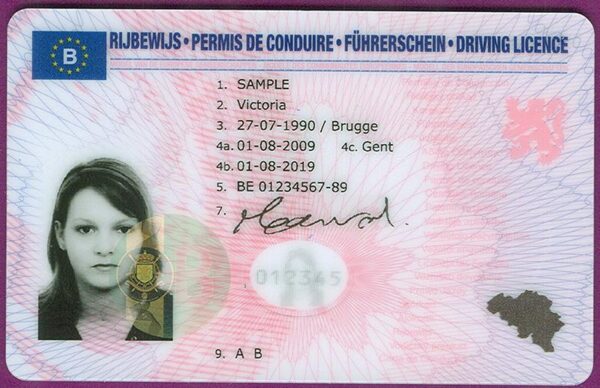
Receive Your Driving License
After passing the practical examination and completing all required administrative procedures, applicants may receive their driving license.
The license allows legal operation of vehicles within the approved category, subject to any applicable conditions or restrictions.
Important Documents Often Required
Applicants may be asked to provide documentation such as:
- Proof of identity
- Residency documentation where applicable
- Theory examination results
- Practical examination results
- Passport-sized photographs if required
- Additional administrative forms
Requirements can vary depending on individual circumstances and local regulations.
Understanding Probationary and New Driver Rules
New drivers may be subject to additional regulations designed to promote road safety.
These rules may include:
- Stricter penalties for certain traffic violations
- Additional monitoring during early driving years
- Compliance with novice driver requirements where applicable
Understanding these responsibilities is important for maintaining driving privileges.
Benefits of Holding a Belgium Driving License
Obtaining a Belgian driving license can provide several advantages:
- Greater transportation flexibility
- Easier commuting
- Expanded employment opportunities
- Increased independence
- Convenient travel within Belgium and other European regions where recognized
For many individuals, a driving license becomes an important part of daily life.
Tips for Success
Applicants often improve their chances of success by:
- Studying road regulations thoroughly
- Taking professional driving lessons
- Practicing regularly
- Remaining calm during examinations
- Developing safe driving habits from the beginning
Consistent preparation can help build confidence and improve overall performance.
Staying Safe After Licensing
Obtaining a driving license is only the beginning of a driver’s responsibility.
Safe driving practices include:
- Following traffic laws
- Avoiding distractions
- Respecting speed limits
- Driving according to weather conditions
- Maintaining vehicle safety
- Staying alert and attentive
Responsible driving helps protect both drivers and other road users.
Final Thoughts
The process of obtaining a driving license in Belgium involves learning road rules, completing theory and practical training, gaining driving experience, and successfully passing required examinations. While the process requires commitment and preparation, it helps ensure that drivers develop the knowledge and skills needed to operate vehicles safely and responsibly.
Applicants should always consult official Belgian licensing authorities for the most current requirements, procedures, and regional regulations before beginning the application process.
