May
How to Apply for a Canadian Driver’s License in 2026
How to Apply for a Canadian Driver’s License in 2026. Obtaining a driver’s license in Canada is an important step toward greater independence, mobility, and access to employment, education, and everyday services. While licensing requirements vary by province and territory, most regions follow a graduated licensing system designed to help new drivers gain experience safely before receiving full driving privileges.
If you are planning to apply for a Canadian driver’s license in 2026, understanding the process can help you prepare effectively.
Understand Provincial and Territorial Licensing Systems
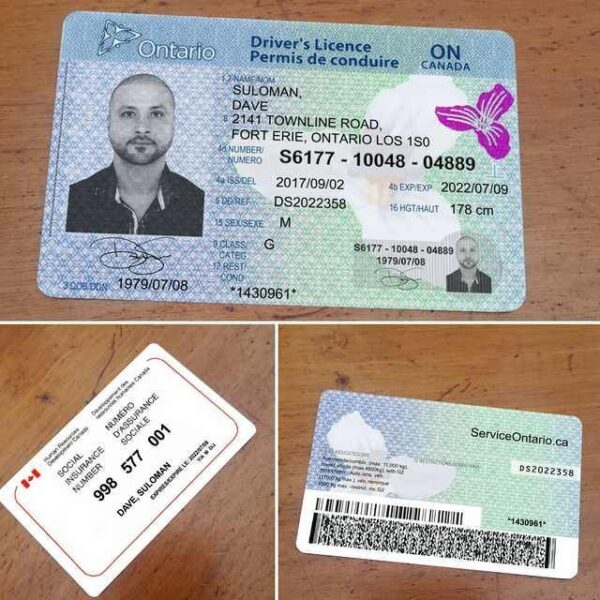
Driver licensing in Canada is managed by individual provinces and territories rather than a single national authority.
Examples include:
- Ontario
- British Columbia
- Alberta
- Quebec
- Manitoba
Each jurisdiction may have slightly different requirements, testing procedures, and waiting periods. Applicants should always review the rules specific to their province or territory.
Meet Eligibility Requirements
Before applying, individuals generally need to:
- Meet the minimum age requirement
- Provide valid identification
- Meet residency requirements where applicable
- Satisfy any medical or vision requirements
Minimum age requirements may differ depending on the province or territory.
Gather Required Documents
Applicants are commonly required to provide documents such as:
- Proof of identity
- Proof of legal status in Canada where applicable
- Proof of residency
- Supporting documentation requested by licensing authorities
Accepted documents vary by region, so applicants should verify local requirements before visiting a licensing office.
Study the Driver’s Handbook
Before taking the written knowledge test, applicants should study the official driver’s handbook for their province or territory.
Topics commonly include:
- Traffic signs
- Road markings
- Speed limits
- Right-of-way rules
- Safe driving practices
- Distracted driving laws
- Emergency procedures
Understanding these rules is essential for both the examination and safe driving.
Pass the Knowledge Test
Most provinces require new drivers to pass a written or computerized knowledge examination.
The test typically evaluates understanding of:
- Traffic regulations
- Road signs
- Driving responsibilities
- Safe driving principles
Successful completion usually allows applicants to enter the learner stage of the graduated licensing system.
Complete a Vision Test
A vision screening is commonly required during the licensing process.
The assessment helps ensure applicants can:
- Read road signs clearly
- Recognize hazards
- Drive safely under normal conditions
Additional medical evaluations may be required in certain situations.
Obtain a Learner’s License
After passing the required examinations, applicants may receive a learner’s license.
Learner drivers are often required to:
- Drive under supervision
- Follow passenger restrictions
- Maintain zero-alcohol compliance where required
- Display learner identification when applicable
These rules help new drivers gain experience safely.
Practice Driving
Building practical experience is a major part of the graduated licensing process.
Learners are encouraged to practice:
- City driving
- Highway driving
- Parking maneuvers
- Night driving where permitted
- Driving in different weather conditions
Consistent practice helps improve confidence and road awareness.
Consider Professional Driving Lessons
Many new drivers choose professional instruction to improve their skills.
Benefits of driving lessons may include:
- Structured training
- Improved driving habits
- Familiarity with testing requirements
- Increased confidence behind the wheel
Some provinces may offer benefits or reduced waiting periods for approved driver education programs.
Pass the Road Test
After completing the required learning period, applicants may take a practical driving examination.
The road test commonly evaluates:
- Vehicle control
- Observation skills
- Lane positioning
- Parking ability
- Traffic-law compliance
- Safe decision-making
Passing the road test allows progression to the next licensing stage.
Advance Through Graduated Licensing
Many Canadian provinces use a graduated licensing system that includes multiple stages.
A typical progression may involve:
| Stage | Description |
|---|---|
| Learner | Supervised driving with restrictions |
| Intermediate or Probationary | Independent driving with certain limitations |
| Full License | Standard driving privileges after meeting requirements |
Requirements vary across jurisdictions.
Understand New Driver Restrictions
New drivers may face additional regulations such as:
- Passenger limits
- Night-driving restrictions
- Zero blood alcohol requirements
- Restrictions on mobile device use
Following these conditions is important for maintaining licensing privileges.
License Exchange for New Residents
People moving to Canada from another country may be eligible to exchange their existing driver’s license depending on agreements between jurisdictions.
Requirements may vary based on:
- Country of origin
- Driving experience
- Provincial regulations
- Documentation provided
Applicants should contact the relevant provincial licensing authority for specific guidance.
Benefits of Holding a Canadian Driver’s License
A valid Canadian driver’s license offers several advantages:
- Greater transportation flexibility
- Easier access to employment opportunities
- Convenient travel
- Reliable identification
- Increased independence
For many residents, a driver’s license becomes an essential part of daily life.
Safe Driving Responsibilities
Receiving a license comes with ongoing responsibilities.
Drivers should:
- Follow traffic laws
- Avoid distracted driving
- Respect speed limits
- Maintain vehicle safety
- Drive responsibly in all weather conditions
Safe driving helps protect both drivers and the wider community.
Final Thoughts
Applying for a driver’s license in Canada in 2026 generally involves meeting eligibility requirements, studying road rules, passing knowledge and vision tests, gaining driving experience, and successfully completing practical examinations. Because regulations differ across provinces and territories, applicants should always consult official licensing authorities for the most accurate and current information.
With proper preparation, practice, and commitment to safe driving, obtaining a Canadian driver’s license can be a valuable step toward greater independence and mobility.
