Blog
Get Your Dutch Driving License Without the Stress
May
Get Your Dutch Driving License Without the Stress
Get Your Dutch Driving License Without the Stress. Obtaining a driving license in the Netherlands can feel like a major milestone, especially for new drivers, international residents, and individuals unfamiliar with the Dutch licensing system. While the process requires preparation and commitment, understanding the steps involved can make the experience far less stressful and help you approach each stage with confidence.
Whether you are applying for your first license or converting an eligible foreign license, knowing what to expect can help you stay organized and focused throughout the process.
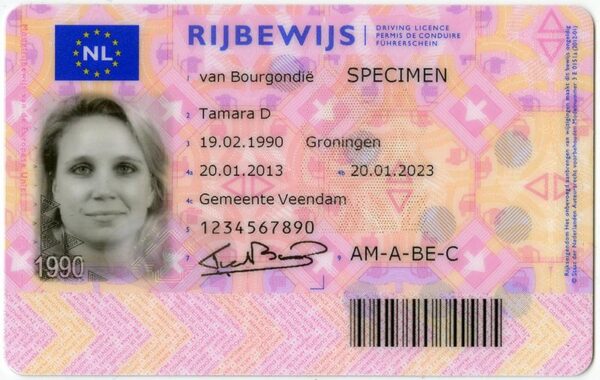
Why a Dutch Driving License Matters
A valid Dutch driving license provides more than the ability to drive legally.
Benefits often include:
- Greater transportation flexibility
- Easier commuting to work or school
- Convenient travel throughout the Netherlands
- Access to more employment opportunities
- A widely accepted form of identification
For many residents, a driver’s license becomes an important part of daily life and independence.
Understand the Dutch Licensing System
The Dutch driving license process is designed to ensure drivers have the knowledge, skills, and road awareness needed to drive safely.
The process generally includes:
- Learning traffic rules
- Passing the theory examination
- Completing driving lessons
- Passing the practical driving test
- Applying for the license
Breaking the process into manageable steps can help reduce unnecessary pressure.
Start With the Theory Exam
Before taking the practical driving test, most applicants must pass a theory examination.
The theory test commonly covers:
- Traffic signs
- Road markings
- Right-of-way rules
- Hazard recognition
- Safe driving practices
- Traffic regulations
Many learners find that consistent study and practice tests help build confidence before the examination.
Choose a Reputable Driving School
Selecting a qualified driving instructor can make a significant difference in your learning experience.
A good driving school may help you:
- Develop safe driving habits
- Understand Dutch road rules
- Build confidence behind the wheel
- Prepare effectively for the practical exam
- Identify areas that need improvement
Many learners find that structured lessons reduce stress by providing clear guidance throughout the process.
Take Driving Lessons at Your Own Pace
Every learner progresses differently.
Some people feel comfortable after a limited number of lessons, while others prefer additional practice before attempting the road test.
Driving lessons often include:
- City driving
- Highway driving
- Parking maneuvers
- Roundabouts
- Traffic management
- Observation techniques
Focusing on steady improvement rather than rushing through lessons can help create a more positive learning experience.
Prepare for the Practical Driving Test
The practical examination evaluates whether you can drive safely and independently under real traffic conditions.
Examiners typically assess:
- Vehicle control
- Road awareness
- Traffic-law compliance
- Safe decision-making
- Observation skills
- Parking ability
Regular practice and familiarity with test expectations can help reduce anxiety on exam day.
Stay Calm During the Examination
Many applicants feel nervous before their driving test, which is completely normal.
Helpful preparation strategies may include:
- Getting adequate rest before the exam
- Arriving early
- Listening carefully to instructions
- Focusing on safe driving rather than perfection
- Remaining attentive and calm
Examiners generally evaluate overall driving competence rather than expecting flawless performance.
Medical and Fitness Requirements
Some applicants may need to complete additional health-related assessments depending on their circumstances.
Authorities may request information regarding:
- Vision standards
- Certain medical conditions
- Physical ability to operate a vehicle safely
Applicants should follow official guidance regarding any required medical declarations or evaluations.
Applying for Your License After Passing
Once the practical test is successfully completed, applicants can generally proceed with the administrative process required to obtain the physical driver’s license.
Requirements may include:
- Identification documents
- Examination results
- Municipal registration information where applicable
- Application fees
Local authorities provide instructions regarding collection and processing times.
Converting a Foreign Driver’s License
Some international residents may be eligible to exchange their existing driver’s license depending on agreements between the Netherlands and their country of origin.
Requirements can vary based on:
- Nationality
- Residency status
- Country where the original license was issued
- License validity
Applicants should verify eligibility through official Dutch licensing authorities before beginning the exchange process.
Avoid Common Mistakes
Many learners reduce stress by avoiding common issues such as:
- Waiting too long to study for the theory exam
- Skipping practice opportunities
- Choosing an instructor without researching reviews or qualifications
- Rushing into the practical test before feeling prepared
- Ignoring feedback during lessons
Consistent preparation often leads to greater confidence and better results.
Benefits of Being a Licensed Driver
Holding a Dutch driver’s license can provide several long-term advantages:
- Increased independence
- Greater travel flexibility
- Easier access to employment opportunities
- Convenient transportation for daily activities
- Confidence navigating roads throughout the Netherlands and beyond
For many people, obtaining a license becomes a valuable life skill that offers benefits for years to come.
Safe Driving After Licensing
Receiving a driver’s license is only the beginning of responsible driving.
Drivers should continue to:
- Follow traffic regulations
- Stay attentive on the road
- Avoid distractions while driving
- Respect speed limits
- Maintain vehicle safety
- Adapt to changing road conditions
Safe driving habits help protect both drivers and other road users.
Final Thoughts
Getting a driving license in the Netherlands does not have to be overwhelming. By understanding the licensing process, preparing thoroughly for the theory and practical examinations, choosing quality instruction, and progressing at a comfortable pace, many applicants can navigate the journey with greater confidence and less stress.
The key is consistent preparation, patience, and a focus on developing safe driving skills that will serve you long after receiving your Dutch driver’s license.
