Blog
France Driving License: A Beginner’s Guide to Success
May
France Driving License: A Beginner’s Guide to Success
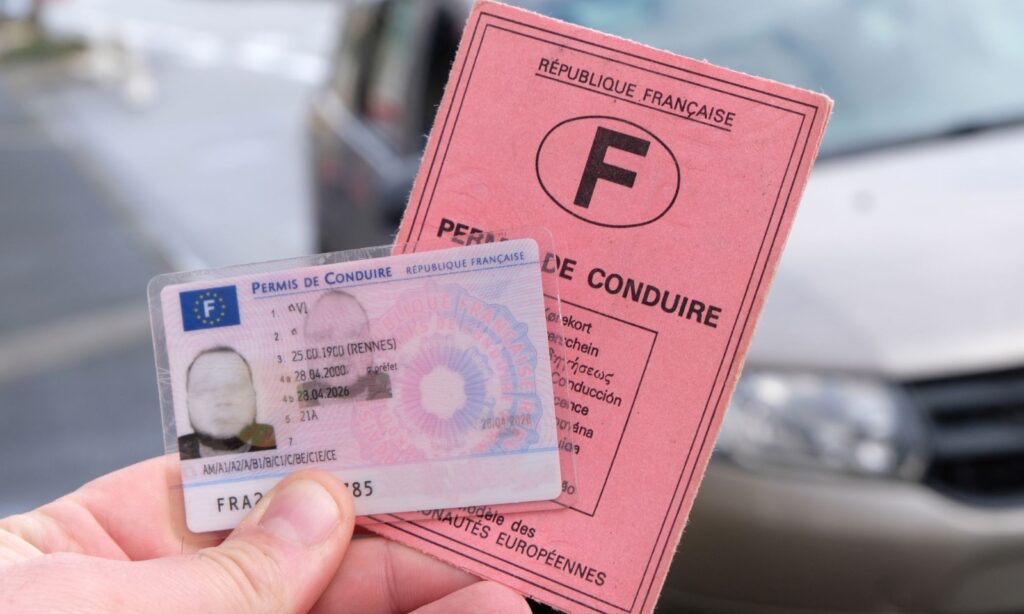
France Driving License: A Beginner’s Guide to Success. Obtaining a driving license in France is an important achievement that can provide greater independence, mobility, and access to employment, education, and travel opportunities. For first-time drivers, the process may seem complex at first, but understanding the key steps can make the journey much smoother.
This beginner’s guide explains the general process of obtaining a French driving license and offers practical tips to help new drivers prepare for success.
Why Get a French Driving License?
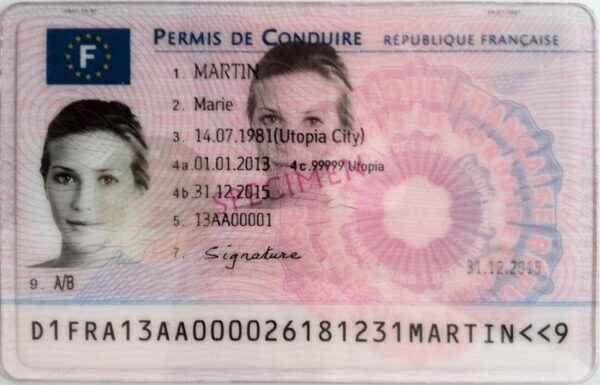
A French driving license offers numerous benefits beyond simply being able to drive legally.
Advantages include:
- Greater transportation flexibility
- Easier commuting to work or school
- Increased travel opportunities throughout France and Europe
- Improved access to employment opportunities
- A recognized form of identification in many situations
For many residents, a driving license becomes an essential tool for daily life.
Understanding the French Licensing System
Most beginner drivers pursue the Category B driving license, which permits the operation of standard passenger vehicles.
The licensing process generally involves:
- Meeting eligibility requirements
- Studying traffic laws
- Passing the theory examination
- Completing driving instruction
- Passing the practical driving test
- Receiving the driving license
Each step is designed to help drivers develop the knowledge and skills needed for safe road use.
Meet the Basic Requirements
Before applying, candidates should ensure they meet the relevant eligibility criteria.
Requirements may include:
- Meeting the minimum age requirement
- Providing valid identification documents
- Meeting residency requirements where applicable
- Satisfying any health or vision standards
Applicants should always verify current requirements through official French authorities.
Study the Highway Code
A key part of the licensing process involves learning the French Highway Code, known as the “Code de la Route.”
Topics commonly covered include:
- Traffic signs
- Road markings
- Speed limits
- Right-of-way rules
- Road safety regulations
- Driver responsibilities
- Hazard awareness
Thorough preparation is essential for success on the theory examination.
Pass the Theory Examination
The theory test evaluates a candidate’s understanding of road safety and traffic regulations.
Questions typically focus on:
- Safe driving practices
- Traffic laws
- Hazard recognition
- Road signage
- Driver behavior
Many learners improve their chances of success by using practice tests and study materials before taking the examination.
Begin Practical Driving Lessons
After passing the theory test, learners can start practical driving instruction.
Professional driving lessons often cover:
- Vehicle control
- Urban driving
- Rural roads
- Highway driving
- Parking techniques
- Roundabouts
- Traffic management
Driving instructors help students build confidence and develop safe driving habits.
Gain Experience Behind the Wheel
Practical experience is one of the most important parts of becoming a competent driver.
Learners should practice:
- Different road types
- Various traffic conditions
- Daytime and nighttime driving where permitted
- Parking maneuvers
- Defensive driving techniques
The more experience a learner gains, the more comfortable they typically become.
Prepare for the Practical Driving Test
The practical examination assesses a driver’s ability to operate a vehicle safely and responsibly.
Examiners may evaluate:
- Vehicle handling
- Observation skills
- Compliance with traffic laws
- Road positioning
- Hazard awareness
- Decision-making ability
Preparation and regular practice can significantly improve performance on test day.
Tips for Test-Day Success
Many beginners feel nervous before their driving examination. A few practical strategies can help reduce stress.
Consider the following:
- Get adequate sleep before the test
- Arrive early
- Listen carefully to instructions
- Stay focused on safe driving
- Avoid rushing decisions
- Remain calm if a minor mistake occurs
Examiners typically assess overall driving competence rather than expecting perfection.
Understanding Probationary Licensing
New drivers in France may initially receive a probationary license.
During this period, drivers are expected to:
- Follow traffic laws carefully
- Avoid serious traffic violations
- Build safe driving experience
- Maintain responsible driving habits
The probationary system is designed to encourage road safety among new drivers.
Common Challenges for Beginners
Many new drivers face similar challenges during training.
Common difficulties include:
- Parking maneuvers
- Navigating roundabouts
- Managing heavy traffic
- Highway driving
- Test anxiety
With practice and professional instruction, these challenges can usually be overcome successfully.
Benefits of Professional Driving Schools
Many learners choose professional driving schools because they provide:
- Structured lessons
- Experienced instructors
- Examination preparation
- Feedback on driving performance
- Familiarity with testing requirements
A quality instructor can help learners identify weaknesses and improve their skills efficiently.
Staying Safe After Receiving Your License
Obtaining a license is only the beginning of a driver’s responsibility.
Safe driving practices include:
- Obeying speed limits
- Avoiding distractions
- Wearing seat belts
- Driving according to weather conditions
- Maintaining vehicle safety
- Respecting other road users
Developing strong habits early can contribute to safer driving throughout life.
Frequently Asked Questions
How long does it take to get a French driving license?
The timeline varies depending on individual progress, lesson availability, examination scheduling, and preparation.
Can international residents apply for a French driving license?
Yes, depending on their residency status and the validity of any existing foreign license. Specific requirements may vary.
Is professional driving instruction required?
Requirements can vary, but many learners benefit significantly from professional training and structured lessons.
Final Thoughts
Obtaining a driving license in France is a rewarding achievement that provides greater independence and mobility. By studying the Highway Code, gaining practical driving experience, preparing thoroughly for examinations, and maintaining a commitment to road safety, beginners can significantly improve their chances of success.
With patience, practice, and proper preparation, earning a French driving license can be a smooth and positive experience that opens the door to years of safe and confident driving.
