
Blog
Lost Your Canadian Passport? Here’s Exactly What You Should Do
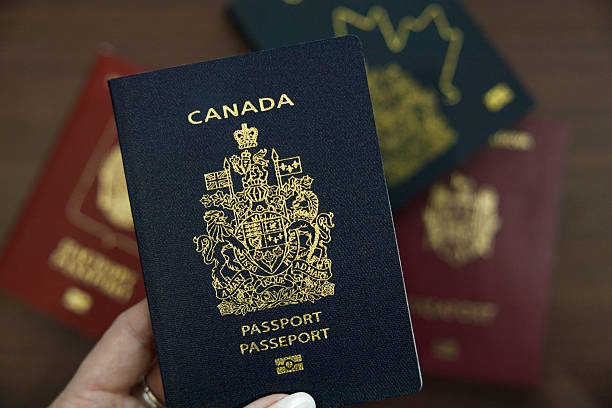
Apr
Lost Your Canadian Passport? Here’s Exactly What You Should Do
Lost Your Canadian Passport? Here’s Exactly What You Should Do. Losing your passport can feel overwhelming, especially when you’re in the middle of travel plans or living abroad. A passport is more than just a travel document—it’s your primary proof of identity and citizenship. If you’ve lost your Canadian passport, don’t panic. There’s a clear, structured process to follow that will help you secure your identity and get a replacement as quickly as possible.
This comprehensive guide will walk you through exactly what to do, step by step.
1. Stay Calm and Confirm It’s Truly Lost
Before jumping into the recovery process, take a moment to double-check your belongings. Many “lost” passports are simply misplaced.
- Check all bags, pockets, and luggage compartments
- Look in hotel safes or drawers
- Contact places you recently visited (restaurants, taxis, airports)
If you still can’t locate it after a thorough search, it’s time to treat it as officially lost.
2. Report the Lost Passport Immediately
The next step is critical: report your lost passport to the Government of Canada as soon as possible. This helps prevent identity theft and misuse.
You can report it:
- Online through the official government website
- By contacting Passport Canada
- At a Canadian embassy or consulate if you’re abroad
Once reported, your passport will be canceled and can no longer be used for travel.
3. Determine Your Situation: In Canada or Abroad
The steps to replace your passport depend on where you are when it’s lost.
If You’re in Canada:
You’ll apply for a standard passport replacement through regular channels.
If You’re Outside Canada:
Contact the nearest Canadian Embassy or consulate immediately. They may issue:
- An emergency travel document
- A temporary passport for urgent travel
This ensures you can return home safely or continue essential travel.
4. Complete the Required Application Forms
To replace a lost passport, you’ll need to fill out a new application form. In addition, you must complete a “Declaration Concerning a Lost, Stolen, Damaged or Found Canadian Travel Document.”
This declaration explains:
- How the passport was lost
- When and where it happened
- Any steps you’ve already taken
Be honest and detailed—this helps avoid delays in processing.
5. Gather Supporting Documents
You’ll need to provide proof of your identity and citizenship. Required documents typically include:
- Proof of Canadian citizenship (birth certificate or citizenship certificate)
- Valid identification (driver’s license, provincial ID, etc.)
- Two passport photos that meet official requirements
If your documents were also lost, you may need to replace those first or provide alternative identification.
6. Be Prepared for Additional Questions
When replacing a lost passport, authorities may ask extra questions to verify your identity. This is a normal part of the security process.
You may be asked about:
- Previous passport details
- Travel history
- Personal identification information
In some cases, you might need a guarantor or references to confirm your identity.
7. Pay the Applicable Fees
Replacing a lost passport usually costs more than a standard renewal. This is due to the added administrative and security measures.
Fees vary depending on:
- Type of passport (temporary vs. full validity)
- Processing speed (regular, urgent, or express)
- Your location (within Canada or abroad)
Make sure to check the latest fee structure on official government sources.
8. Consider Expedited Services (If Needed)
If you have urgent travel plans, you may be able to request expedited processing.
Options include:
- Express pickup (within a few business days)
- Urgent processing (same or next day in some cases)
You’ll need to provide proof of travel, such as:
- Flight tickets
- Travel itinerary
Keep in mind that expedited services come with additional fees.
9. Take Steps to Protect Your Identity
A lost passport can expose you to identity theft risks. It’s important to take precautionary measures:
- Monitor your bank accounts and credit activity
- Report suspicious activity immediately
- Consider placing a fraud alert on your credit file
While passport misuse is rare, staying proactive gives you peace of mind.
10. Prevent Future Loss
Once you’ve replaced your passport, take steps to avoid losing it again:
- Use a travel wallet or passport holder
- Store it in a consistent, secure location
- Avoid carrying it unless necessary
- Keep digital and physical copies stored separately
When traveling, always know where your passport is—it’s your most important document.
Final Thoughts
Losing your Canadian passport is stressful, but it’s a manageable situation if you act quickly and follow the correct steps. Reporting the loss immediately, gathering the right documents, and applying for a replacement will help you get back on track without unnecessary delays.
Whether you’re at home or abroad, the Government of Canada and its global network of embassies are there to assist you every step of the way.
The key takeaway? Stay calm, act fast, and follow the official process. With the right approach, you’ll have your new passport in hand sooner than you think—and be ready for your next journey with confidence.
