Blog
Irish Passport: How to Apply Without Stress
Apr
Irish Passport: How to Apply Without Stress
Irish Passport: How to Apply Without Stress. Applying for an Irish passport doesn’t have to be a complicated or overwhelming process. Whether you’re planning a trip abroad, reconnecting with your Irish heritage, or simply need valid identification, understanding the application process can save you time, energy, and unnecessary stress. In this guide, we’ll walk you through everything you need to know to apply for an Irish passport smoothly and confidently.
Why an Irish Passport Matters
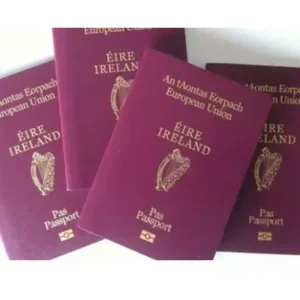
An Irish passport is more than just a travel document. It’s a gateway to global mobility, allowing visa-free or visa-on-arrival access to a wide range of countries. Additionally, as a citizen of Ireland, you also gain the benefits of European Union membership, including the ability to live, work, and study across EU countries.
For those with Irish ancestry, obtaining an Irish passport can also be a meaningful way to connect with your roots while unlocking valuable opportunities abroad.
Determine Your Eligibility
Before starting your application, it’s important to confirm that you are eligible for an Irish passport. You may qualify if:
- You were born in Ireland
- One or both of your parents were Irish citizens
- You have Irish grandparents (through the Foreign Births Register)
- You are a naturalized Irish citizen
If you’re applying through ancestry, you’ll likely need to register in the Foreign Births Register before applying for your passport. This step can take some time, so it’s wise to plan ahead.
Choose the Right Application Method
One of the easiest ways to reduce stress is by selecting the right application method. The Irish government offers multiple ways to apply:
1. Online Application
The online passport application system is the fastest and most convenient option. It allows you to upload documents, track your application, and receive updates throughout the process.
2. Paper Application
If you prefer a traditional approach, you can apply using a paper form available at designated offices. However, this method usually takes longer and requires more manual effort.
For most applicants, the online route is strongly recommended due to its efficiency and transparency.
Gather Your Documents Early
A major source of stress in passport applications is missing or incorrect documentation. Avoid last-minute panic by preparing everything in advance.
Common documents include:
- Proof of identity (such as a driver’s license)
- Birth certificate
- Proof of address
- Passport photos (if required)
- Supporting documents for citizenship (if applicable)
If you’re applying through ancestry, you may also need documents related to your parents or grandparents, such as birth and marriage certificates.
Double-check all documents to ensure they are valid, accurate, and match the information in your application.
Get Your Photos Right
Passport photo requirements can be surprisingly strict. If your photos don’t meet the guidelines, your application could be delayed.
When taking your photo:
- Use a plain, light-colored background
- Maintain a neutral expression
- Avoid shadows or glare
- Ensure the image is clear and properly sized
Many online application systems allow you to upload digital photos, which can make the process quicker and easier.
Avoid Common Mistakes
Even small errors can lead to delays. Here are some common mistakes to watch out for:
- Spelling errors in names or addresses
- Incorrect or outdated documents
- Missing signatures or required fields
- Uploading low-quality or incorrect photos
Take your time to review every section of your application before submitting it. A careful review can save weeks of processing delays.
Track Your Application
One of the biggest advantages of applying online is the ability to track your application in real time. This feature helps reduce anxiety by keeping you informed about the progress of your passport.
You’ll typically receive updates at key stages, such as:
- Application received
- Documents verified
- Passport being processed
- Passport dispatched
If any issues arise, you’ll be notified promptly so you can take corrective action.
Plan Ahead for Processing Times
While the Irish passport system is generally efficient, processing times can vary depending on demand and the complexity of your application.
To avoid stress:
- Apply well in advance of any travel plans
- Allow extra time during peak seasons
- Ensure all documents are submitted correctly the first time
Rushing your application increases the likelihood of errors and delays, so early preparation is key.
What to Do If Problems Arise
Even with careful planning, issues can occasionally occur. If your application is delayed or requires additional information, don’t panic.
Here’s how to handle it calmly:
- Check your application status online
- Respond promptly to any requests for additional documents
- Contact the passport office if needed
Most issues can be resolved quickly with clear communication and timely action.
Benefits of a Stress-Free Application
Taking a structured and organized approach to your Irish passport application offers several benefits:
- Faster processing times
- Reduced risk of rejection or delays
- Greater confidence throughout the process
- Peace of mind knowing everything is handled correctly
By following a clear plan, you can turn what might seem like a daunting task into a smooth and manageable experience.
Final Thoughts
Applying for an Irish passport doesn’t have to be stressful. With the right preparation, attention to detail, and use of online tools, you can complete the process efficiently and confidently.
Start by confirming your eligibility, gather your documents early, and take advantage of the online application system for a faster and more transparent experience. Avoid common mistakes, keep track of your application, and give yourself plenty of time before any travel plans.
